Croatia Without the Crowds
Dubrovnik’s problem is not that it is overrated. It is that everyone visits the same three hours of it. The Adriatic’s pearl rewards the traveler who arrives with keys instead of tickets.
Two bases, Dubrovnik and Hvar, and a handful of private doors between them.
Dubrovnik, held privately
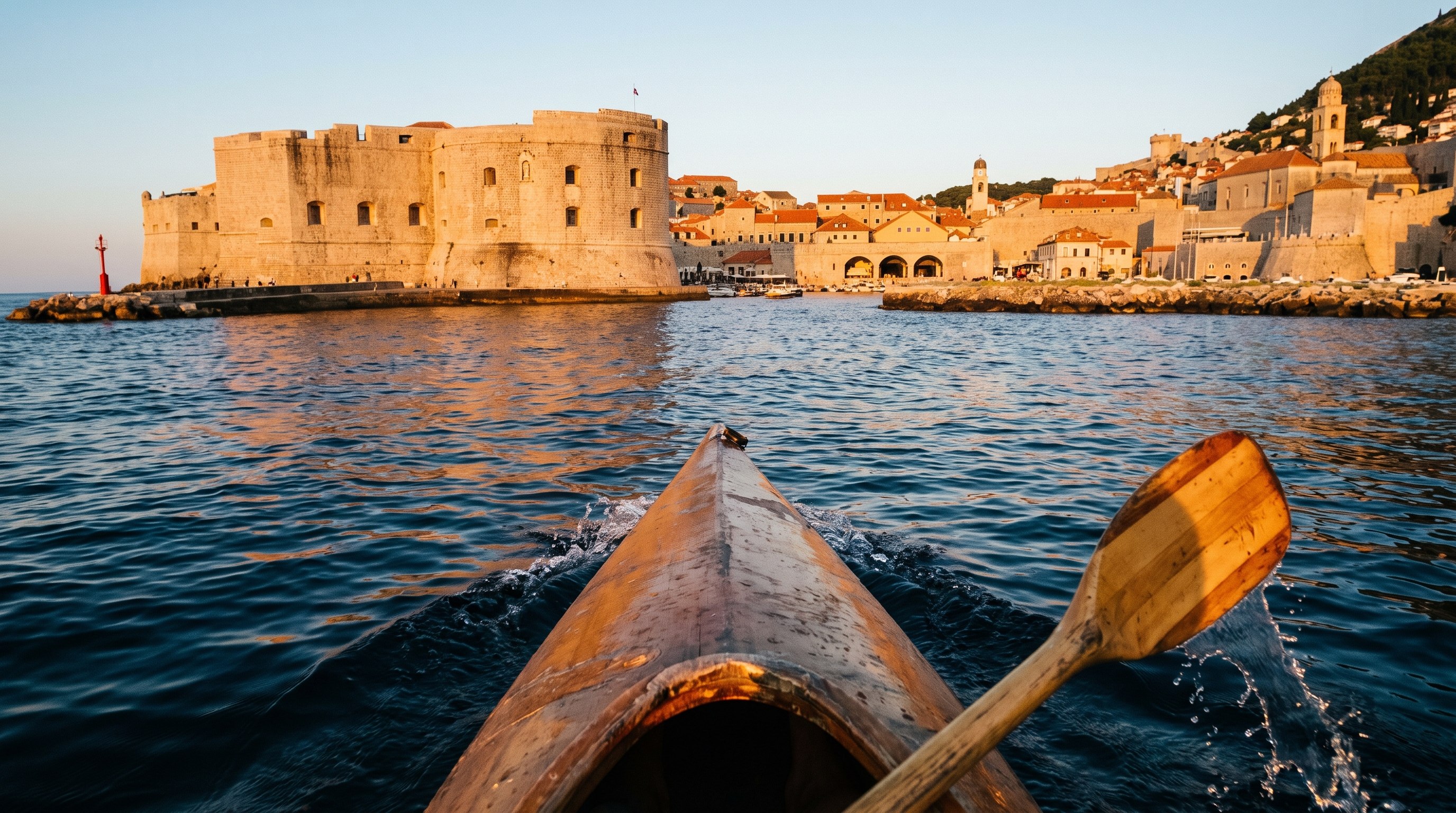
Walk the ramparts with a private guide, then trade the crowds for a copper still: at Habitat Distillery you blend your own gin from herbs grown only in the Dubrovnik hills, and take the bottle home. In the evening, a private sunset cruise rounds the city walls with wine and small plates while the stone turns honey-colored.
With a day to spare, the Pelješac peninsula pours some of Croatia’s finest organic wine at the family-run Miloš winery, followed by oysters pulled straight from the Mali Ston bay you are floating on.
Hvar, off the schedule
On Hvar, the town tour ends where the crowds do not go: an olive grove at sunset, a private chef’s table set under the trees, and a culinary walk through Croatia’s most famous island paired glass by glass.
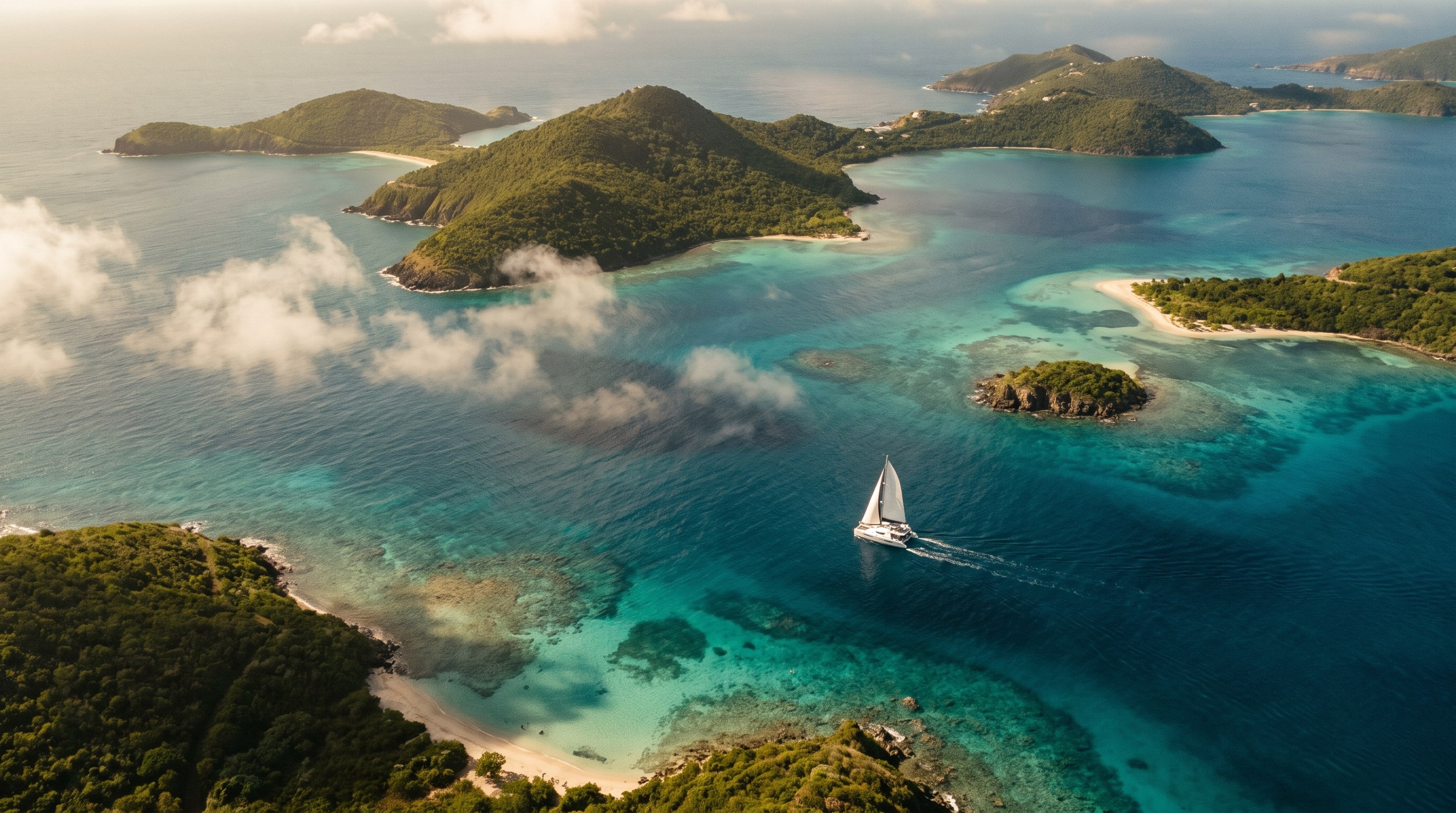
By boat, Vis and Biševo wait offshore: VIP access slips you past the line into the shimmering Blue Grotto, then the preserved fishing village of Komiža and a swim in Stiniva’s rock-walled cove. September, when the sea is warmest and the meltemi of tourists has blown through, is the connoisseur’s month.
The best views of Dubrovnik are not from inside the walls. They are from the water at sunset, glass in hand.
Carl Hill Jr
Good questions
When should you visit Dubrovnik to avoid crowds?
Late May to mid-June and all of September: warm sea, open terraces, and cruise traffic at its thinnest. Private early-morning and evening access beats the midday crush year-round.
Is Hvar worth visiting beyond the nightlife?
That is where it becomes most worth it: inland villages with 200-year-old recipes, boutique winemakers in Pitve, and coves reachable only by boat.